Sports Team Portraits Melbourne: A Photographer’s Checklist for Perfect Results
Getting sports team portraits right in Melbourne is equal parts craft, logistics, and calm leadership. You can have the best camera in the world and still end up with missed expressions, tangled uniforms, or athletes staring at the wrong person because one small timing detail went sideways. The goal is deceptively simple: create portraits that feel like your team, not like a school assembly photo from 2009.
Over the years, I’ve learned that “perfect results” rarely come from one magic trick. They come from preparation you can feel on the day, plus a checklist you don’t have to reinvent every time. If you’re a photographer booking sports clubs, or a team manager trying to brief one properly, this is the kind of internal workflow that turns a chaotic lineup into images everyone actually wants to print.
And yes, this is written with Melbourne in mind. The light changes quickly, the wind loves to show up without warning, and venues can shift at the last minute. A good sports photographer in Melbourne plans for that reality instead of pretending it won’t happen.
What makes sports team portraits different
Individual portraits are about one person’s rhythm with the camera. Team portraits are about rhythm multiplied by ten, twenty, sometimes forty. You’re negotiating uniforms, movement, height differences, and the simple fact that most athletes are trained to respond to a coach’s voice, not a stranger’s instructions.
There are also two competing looks teams often want at the same time.
First, there’s the clean, classic “team photo” look: everyone sharp, faces forward, sponsor-visible uniforms, and enough space to crop without losing heads or shoulders.
Second, there’s the energetic “we play hard” look: slight tension in posture, purposeful hand placement, natural eye contact, and expressions that say, “This matters.”
When the team photo is the only deliverable, the process leans toward order. When you’re also shooting player cards, action stills, or captain-led hero shots, the process becomes a sequence. You’re switching between directions that require stillness and directions that require motion, then returning to stillness again. That rhythm has to be engineered.
The venue is part of the camera setup
In Melbourne, the venue can make or break your images before you even lift the shutter. You don’t just need a location, you need a location that behaves. Think about four things: background control, light direction, wind management, and access.
Background control sounds obvious until you’re dealing with busy signage, reflective glass, or backgrounds that become distracting when athletes shift from one spot to another. A group of twelve can look tidy, but the same group becomes messy when the background has competing lines or bright patches behind heads.
Light direction matters because team portraits are unforgiving. Side light can look dramatic on one athlete, but for a whole squad it can create uneven skin tones and raccoon-eye shadows under brows. Backlight can look cinematic but turns into blown highlights around caps, jerseys, and hair edges unless you’re very deliberate with exposure and positioning.
Wind is the sneaky one. freelance sports photographer Long hair, loose jersey hems, flags, even the plastic edges of certain venue backdrops can flutter just enough to make focus and expressions inconsistent across the group.
Access is the practical factor that photographers feel immediately. Is there enough space for warm-up and athlete movement? Can you set up off to the side without blocking team staff? Are there stairs, uneven ground, or a surface that makes it hard to place athletes at consistent heights?
If you’re the photographer melbourne teams hire, visit the venue beforehand when possible. If you’re the team manager, treat venue confirmation like part of the shoot, not an afterthought.
Pre-shoot planning that prevents the “two minutes too late” problem
The most common failure mode I see is scheduling that assumes athletes will behave like models. Real teams are not slow, but they are busy. They’re warming up, listening to instructions, and settling in with teammates. If you arrive with a perfect plan but the team is still getting ready, you lose control of the only thing you cannot replace: time with good energy and clear faces.
I typically plan for three phases: arrival and setup, team coordination and staging, and finally portrait capture with minimal interruptions.
A key detail is the contact point. On shoot day, one person should own communication with the players. That might be the coach, team manager, or kit coordinator. If multiple people talk over the process, athletes get confused. Confused athletes laugh, shuffle, and drift, which is exactly when you lose the group shape you worked to build.
Another detail that saves time is confirming the list of who’s in which portrait sets. Many teams want the full squad, plus smaller groups like forwards, defenders, or age cohorts. If you don’t confirm the split ahead of time, you’ll end up reshuffling people while everyone else waits, faces changing from calm to restless.
The staging concept: make height differences your friend
Staging is where sports team portraits earn their realism. You can’t ignore height differences. Someone will be taller, someone will be shorter, someone will have a stance that doesn’t match the rest, and someone will naturally drift away from the center.
A simple approach is to build layers. Put taller athletes slightly behind and to the edges, and bring shorter athletes forward in a way that keeps eyes at a consistent height in the frame. For younger teams, you often need extra space between rows because balance changes quickly during minor movement.
I’ve found that the best staging doesn’t aim for symmetry alone. It aims for visual fairness. When the composition is balanced, the audience feels the image is “right” even if it isn’t mathematically perfect.
This is also where you decide the tone of your final set. More casual portraits can tolerate slight asymmetry, while formal sponsor-friendly portraits usually look better with tighter alignment and more controlled spacing.
Checklist for “ready to shoot” sports team portraits
Before you start the portraits, you want everything that affects image quality already handled. This is the checklist I use most often with Melbourne sports teams.
- Confirm the call time with the coach or team manager, and plan your setup start so you’re ready ten to fifteen minutes before athletes arrive
- Re-check the light direction from your camera position, then adjust where the team will stand to keep faces evenly lit
- Scout backgrounds for bright distractions and head-level clutter, then mark or pre-plan the exact spots athletes will occupy
- Bring extra items for immediate fixes, like tape for small ground marks, spare hair ties, and lens wipes for dust
- Decide the portrait sequence (full team, then groups, then individuals) so you reduce reshuffling and keep energy consistent
That last point, sequence, matters more than most people think. If you shoot individuals too early, players get restless while waiting. If you do full teams last, you risk faces softening into boredom. The sequence should match the team’s attention span and the coach’s routine.
Camera settings are not the main story, but consistency is
You can argue about focal length and shutter speed all day, but athletes punish inconsistency. The moment you change exposure strategy mid-session, skin tones shift. The moment you switch focusing approach, some faces get sharp while others go soft.
For sports team portraits, my priority is predictable sharpness on eyes. Since you’re working with groups, you need a focusing method that reliably locks onto faces across the frame. In real conditions, athletes move their heads slightly. They blink. They lean. A focus system that locks onto one face and then abandons it as others shift can cost you.
The best workflow is to keep camera and lighting consistent during each portrait set. That means you don’t introduce new light sources halfway through. If you’re using flash or reflectors, keep them positioned. If you’re relying on natural light, choose a spot where the light behaves.
In Melbourne, clouds can roll in quickly. When that happens, treat it like a change in the whole shoot, not a minor event. Adjust exposure and reassess whether the background is still flattering, because cloud cover can lift the background and reduce contrast. Contrast is part of sports energy, not just a stylistic choice.
Directing athletes without killing the vibe
A photographer can’t coach. You’re not there to correct technique. But you are responsible for getting the expressions and posture that make a team portrait feel honest.
I often start with instructions that athletes can do easily without thinking too hard. Then I refine. For example, “shoulders relaxed” works, “chin forward slightly” works, “look at me and breathe out slowly” works. Athletes respond to physical cues because they’re already trained to feel their body.
The real trick is to keep your instructions short and timed. Long explanations produce blank stares. Also, if you talk for ten seconds during a moment they’re about to pose, you lose the micro-expression you wanted.
A simple rhythm that tends to work is: give a direction, pause briefly, shoot in a short burst, then reset. That burst captures natural expressions, not just forced smiles.
For captain shots or hero portraits, you can shift the vibe slightly. The same group can produce very different images depending on whether you ask for intensity or warmth. Both are valid, but they need different direction. Intensity usually benefits from controlled body tension and purposeful eye contact. Warmth benefits from sports photographer relaxed shoulders and a small change in stance that makes athletes look comfortable.
Expression management: the blink and the laugh problem
Group portraits are expression traps. Someone always blinks at the exact shutter moment. Someone laughs because the team is nervous, or because a friend made a comment. Someone else tries to hold a pose too long and their face freezes into something unnatural.
I handle this by shooting more frames than you think you need, but also by controlling the pause. If you ask for a pose and then wait too long, you’re asking for fatigue. If you shoot quickly and reset before expressions collapse, you get options that editors can actually use.
This is also why it helps to shoot in bursts. You’ll catch the clean eye contact frame plus a couple of adjacent frames where the head angle looks better. In a team portrait, that head angle shift can be the difference between “great photo” and “almost.”
Uniforms, sponsor logos, and what to check before you shoot
Sports team portraits aren’t just about faces. Jerseys and branding are part of what teams spend money for, especially when there are sponsors involved. If logos are folded, twisted, or partially hidden, you’ll hear about it.
Before the camera goes up, I do a quick visual sweep of the team’s appearance. Not to be overly picky, but to catch predictable problems. Socks and collars sometimes shift. Jerseys can sit unevenly across the shoulders. Certain kit designs show wrinkles under arm positioning.
If you’re dealing with long sleeves or compression gear, consider that athletes might adjust clothing right before you shoot. That creates motion blur and distraction. A short “settle and hold” instruction, followed by a short burst, often produces cleaner results than repeated “fix your shirt” corrections during the pose.
Light in Melbourne: common scenarios and how I respond
Melbourne’s light can be beautiful, but it can also shift unpredictably. Here are a few realistic scenarios photographers run into and how I adjust without turning the shoot into a science project.
On bright clear days, you can get harsh shadows under chins and noses. The easiest fix is usually position. Place the team so faces face the light direction rather than having strong side contrast. If the background is too bright, move the group slightly so the background falls into a softer tone rather than competing behind heads.
On overcast days, the light often becomes more forgiving, which is great for even skin tones. The downside is flat contrast. That’s where small choices like background selection and post-processing discipline matter. You want enough contrast to show faces and jersey texture, not a hazy, low-impact look.
With evening shoots, especially near sunset, backlight becomes a risk. Backlit jerseys can blow out and hair edges can become overly bright. If you go into the session expecting backlight, you can plan for it. If you end up there by accident, you spend too long fighting exposure and the shoot time disappears.
Preparing for group sizes: from small squads to big draws
Sports team portraits Melbourne photographers often get requests for everything from under-10 groups to senior clubs with large squads. The shoot approach changes as the group size grows.
For smaller groups, you can afford more precise staging and more deliberate direction. Faces are easier to keep sharp across the frame because fewer people need to fit between the edges.
For larger squads, the priority becomes structure. You want enough spacing so individuals aren’t constantly moving into each other’s positions. That’s also where you decide whether you’re shooting wide and full frame, or using tighter framing that prioritizes faces. Tighter framing often looks more powerful and reduces background distractions, but it can crop people uncomfortably if staging isn’t exact.
If you’re planning deliverables, you might find that larger clubs need a second setup. One spot for full team and one spot for group subsets can reduce time pressure. It’s a trade-off, of course, because relocating costs minutes and the sky might change. Still, it can be the most reliable way to keep the quality consistent.
What to do when a player is late or missing
Sports shoots rarely go perfectly. Someone gets held back by a sibling, someone’s gear took longer to locate, and occasionally someone has to step out at the last minute.
When a player is missing, you have options. You can keep the rest posed and shoot the available group with a slightly different composition, then return for the missing player as soon as they arrive. That keeps momentum.
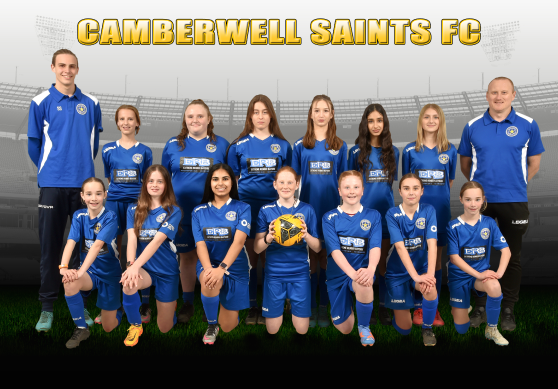
When a player is late, don’t build a perfect lineup that depends on them being in the exact spot. I usually create staging marks that allow you to shift while keeping balance. That way the portrait doesn’t fall apart if the final person isn’t immediately present.
This is also where a good working relationship with the coach matters. If the coach understands your staging approach, they can help manage the group during those small disruptions. It reduces chaos and prevents athletes from wandering while waiting to be added.
Deliverables: planning saves time later
A sports team portrait session can turn into a time sink if you aren’t clear about what you’ll deliver and what you will not.
Some clubs want high-resolution digital files for social and website use. Others want printed team photo packages. Many want both.
The reality is that teams often add requests after they see a few sample frames. That’s normal, but it can be handled by setting expectations early. You can do that without being rigid. For example, you can explain that you’ll prioritize the full team first, then the group splits, then individuals, and that you’ll select the strongest frames for final edits.
I’ve learned that it’s better to deliver fewer, better images than to deliver everything in a way that feels rushed. Athletes may not remember how many photos you took, but they remember whether the final set looks professional and consistent.
A compact lighting and kit approach that works in the field
You can shoot sports team portraits with natural light only, or you can incorporate flash or reflectors depending on venue and conditions. If you do use gear beyond the basics, keep it simple so it doesn’t become another thing to manage.
Here’s a compact set of tools that frequently pays off:
- a small reflector (collapsible) to lift shadows under chins when the light is harsh
- a speedlight with a simple modifier, used only when natural light falls short or contrast is too extreme
- tape or removable ground markers for consistent placement
- extra lens wipes and spare batteries, because dust and long sessions are normal
- a portable seating or prop (quiet, sturdy) if you need controlled height changes for younger squads
That list is intentionally short because too much equipment creates its own friction. The shoot becomes a gear management exercise, and athletes feel that energy. Keep the gear supportive, not dominant.
Editing with sports portraits in mind
Editing team portraits is where you either preserve realism or accidentally smooth the life out of faces. For sports athletes, you want skin to look natural, jerseys crisp, and eyes clean. The goal isn’t to make everyone look identical. The goal is to make everyone look like the best version of themselves in a uniform that represents the club.
Consistency is key. If you slightly brighten one athlete and leave another alone, the group portrait will look uneven. I usually start by normalizing exposure and color balance across the set, then fine-tune individual faces only when needed, not as a default.
Also watch for jersey color shifts. Synthetic fabric can reflect differently across light conditions, and group placement can create mixed exposures. If the team’s kit is a specific brand color, preserve it. If you don’t, the sponsor or club will notice.
Finally, don’t overdo sharpening. Group images already contain many edges, and over-sharpening can create halos around hairlines and make fine jersey textures look harsh. The best sports portraits feel sharp without looking crunchy.
Common mistakes that cost quality (and how to avoid them)
Most mistakes aren’t technical. They’re workflow and communication issues.
One mistake is waiting too long to direct. Athletes pose differently when they feel guided versus when they feel abandoned. If you let them stand there without direction, the group will drift, expressions will go flat, and you’ll spend time correcting the composition rather than capturing it.
Another mistake is choosing a background that looks fine at eye level but fails behind a crowd. Bright patches behind heads, fences with repeating patterns, and signage can steal attention from faces. The fix is to spend a few extra minutes selecting a background and staging positions rather than trusting your first impression.
A third mistake is treating the entire session as one big shot. Team portraits are better when you break them into sets, each with a consistent light and framing plan. Full team, then group subsets, then individuals. It reduces variables and makes your final set feel cohesive.
Building trust with coaches and team managers
Working with sports clubs is about relationships as much as photography. Coaches want reliability. Team managers want clear communication and predictable outcomes. Athletes want to feel comfortable and seen.
When you earn trust, you get smoother sessions. You also get better feedback, because the team will tell you what worked and what didn’t. That feedback improves the next booking.
If you’re a photographer melbourne teams can rely on, show that reliability through preparation. Confirm the plan, confirm the venue, confirm the sequence, and communicate simply on the day. If you do that, your direction lands better. If your direction lands better, your images improve.
A practical way to run the session on the day
Even with the checklist and the planning, you still need a structure that keeps everyone moving without stress.
I usually aim to have the team in position, ready to pose, before I ask for the first major frame. That means staging is done early. It means you’ve confirmed where the full team stands and how groups will be arranged. It also means you’re not constantly walking back and forth between the camera and the team. The more you move, the more you interrupt flow.
During the shoot, treat your directions like cues in a game plan. Give a short instruction, then act quickly. Athletes respond well when they’re not waiting. If you shoot fast and reset calmly, they stay engaged and the faces keep their energy.
After you capture the main portraits, you can breathe a little. That’s when you do the smaller, more personal shots like captain portraits, goalie hero frames, and tight group moments. Those are the photos teams often post because they feel specific, not generic.
The result: portraits that actually represent the team
When the process works, sports team portraits Melbourne clubs get are more than marketing images. They become a record of a season. They’re what players show at family gatherings. They’re what young athletes look back on when they wonder how far they came.
The difference between a decent group photo and a great one is rarely about camera gear. It’s about how the photographer manages timing, light, staging, and communication so athletes can focus on being themselves.
If you treat the shoot like a controlled, flexible system rather than a single snapshot, you’ll get consistent results. More importantly, the team will enjoy the session. Athletes relax when they feel organized, and that relaxation shows up in every frame.
If you’re planning your next sports portrait session, take the checklist mindset and apply it to the details that seem small until they add up: background, staging, sequence, and calm direction. Those are the pieces that turn a loud, windy, fast-moving Melbourne afternoon into portraits you can be proud to deliver.
Pure Sport Images
23 Grandview Ave, Mulgrave VIC 3170, Australia
+61 413 157 614
[email protected]
Website: https://puresportimages.com.au/